The role of a remote front office
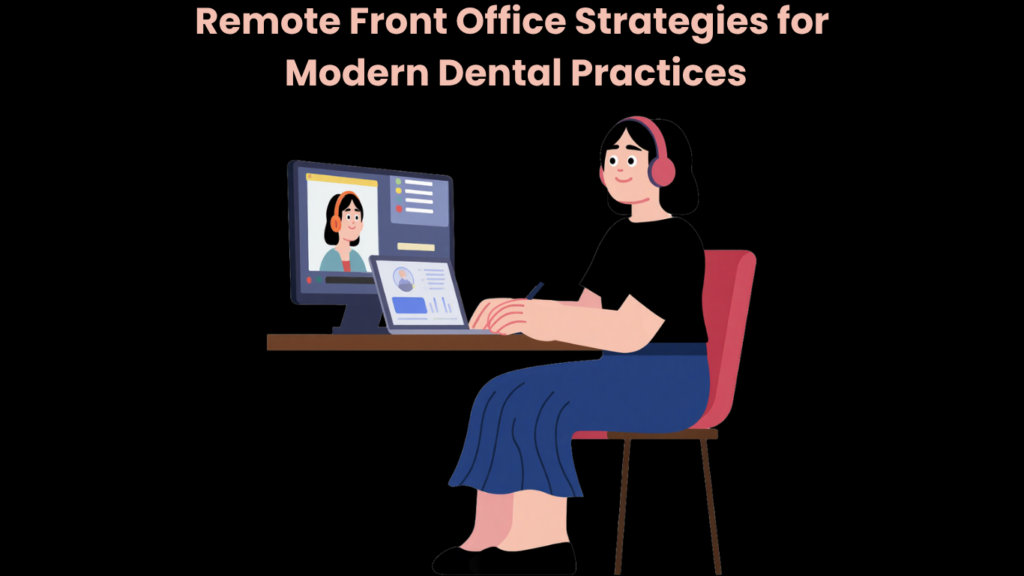
Remote front office operations are no longer an experimental add-on; they are a practical strategy for improving access, reducing overhead, and sharpening patient satisfaction. For dental practices, remote front office functions can include scheduling, insurance verification, intake processing, telephone triage, pre-visit reminders, and follow-up care coordination. By intentionally designing these services to run remotely, a practice can extend business hours, reduce patient wait times, and free the on-site team to focus on clinical care. The key is treating the remote front office not as a cost center but as an integrated extension of the patient journey with clear workflows and measurable outcomes.
Technology that supports seamless patient contact
Successful remote front office work depends on a modern technology stack that integrates patient-facing tools with practice management systems. Cloud-based phone systems and secure messaging platforms enable remote work staff to answer calls, transfer messages, and manage voicemails without a physical reception desk. Online patient portals and mobile-friendly intake forms allow pre-visit registration and consent collection to be completed at home. Live chat, automated SMS confirmations, and video check-ins create multiple patient touchpoints that reduce no-shows and improve first-visit efficiency. Consider also outsourcing to a specialized partner for tasks like appointment triage; a trusted option is to add a dental virtual receptionist that aligns with your brand voice and operational hours, handling many routine calls while escalating clinical concerns to your team.
Designing workflows that feel unified
To make a remote front office function as a seamless part of your practice, document every patient touchpoint and define ownership for each step. Map the patient journey from initial contact to post-op follow-up and assign who handles confirmations, cancellations, insurance questions, and billing inquiries. Use shared dashboards and real-time notifications to keep on-site and remote teams synchronized. Create standardized call scripts and templates for messages so patients receive consistent information regardless of who answers. Establish escalation protocols for urgent or complex situations so remote staff know exactly when to connect a patient with a clinical team member. These measures reduce confusion and ensure a single, cohesive experience that reinforces trust.
Enhancing patient intake and clinical readiness
Remote front office methods can dramatically improve clinical readiness by shifting administrative tasks ahead of appointments. Implement online forms that feed directly into the electronic health record, enabling clinicians to review medical histories and consents before the patient arrives. Use automated reminders to reduce late arrivals and build workflows that flag incomplete forms so the remote team can follow up proactively. For new-patient visits, consider sending a brief video orientation explaining arrival procedures and what to expect during the first appointment. When administrative hurdles are resolved before the visit, chair time is used more efficiently and patients perceive the practice as organized and professional.
Security, compliance, and training
Remote operations require careful attention to HIPAA compliance and secure communication. Ensure all vendors and tools sign Business Associate Agreements and use end-to-end encryption for patient communications. Implement multi-factor authentication and role-based access controls so team members access only the records they need. Train remote staff on privacy policies, data handling, and incident reporting procedures. Regular audits and penetration tests help identify vulnerabilities before they affect patients. Security-minded practices also build trust by clearly communicating privacy safeguards to patients during intake and on the website.
Remote front office teams need more than convenience — they need secure, traceable communication workflows. In healthcare and dental settings, HIPAA fax compliance with FaxSIPit can help teams send sensitive patient documents without relying on manual fax machines or unsecured email.” — CEO, FaxSIPit
Staffing models and culture
Deciding whether to staff remote front office positions internally or to outsource depends on cost, control, and the complexity of services needed. In-house remote staff can be trained on culture and personalized interactions, while specialized vendors offer scalability and built-in quality assurance. Many practices now turn to virtual assistants for dentists to handle scheduling, insurance verification, and patient follow-up without adding full-time headcount, freeing in-house teams to focus on culture-building and complex cases. Regardless of the model, hire for communication skills and empathy, not just administrative competence. Create opportunities for remote and on-site teams to connect regularly through huddles or shared training sessions so everyone understands patient expectations and practice priorities. A unified culture ensures that remote representatives speak with the same tone and follow the same protocols as on-site staff.
Measuring performance and continuous improvement
Establish key performance indicators that reflect both operational efficiency and patient experience. Track metrics such as appointment conversion rate from initial contact, average call response time, no-show rates, pre-visit form completion, and patient satisfaction scores. Use these measures to identify bottlenecks and test incremental changes—adjust callback windows, refine scripts, or alter reminder cadence. Solicit direct feedback from patients about the booking and check-in process, and hold periodic reviews with remote staff to gather frontline insights. Continuous improvement creates measurable business value: fewer missed appointments, higher collection rates, and stronger patient loyalty.
Read More: SPF, DKIM, and DMARC in One Place: DMARC Analyzer for Email Security
Building a hybrid strategy for future resilience
A hybrid approach that combines an on-site receptionist during peak clinical hours with a remote front office supporting extended coverage offers resilience and flexibility. Hybrid models allow smaller practices to scale services during busier seasons and to maintain coverage during staff absences. They also help practices expand hours without the fixed cost of additional on-site personnel. As patient expectations evolve, practices that invest in integrated remote front office systems and disciplined workflows will be better positioned to provide consistent, compassionate care while maintaining operational efficiency and compliance.
Remote front office strategies are not a one-size-fits-all solution, but when thoughtfully implemented they transform administrative processes, reduce friction for patients, and free clinicians to focus on care. With the right technology, clear workflows, and a commitment to training and security, modern dental practices can create a front office that is both remote and remarkably present for every patient.