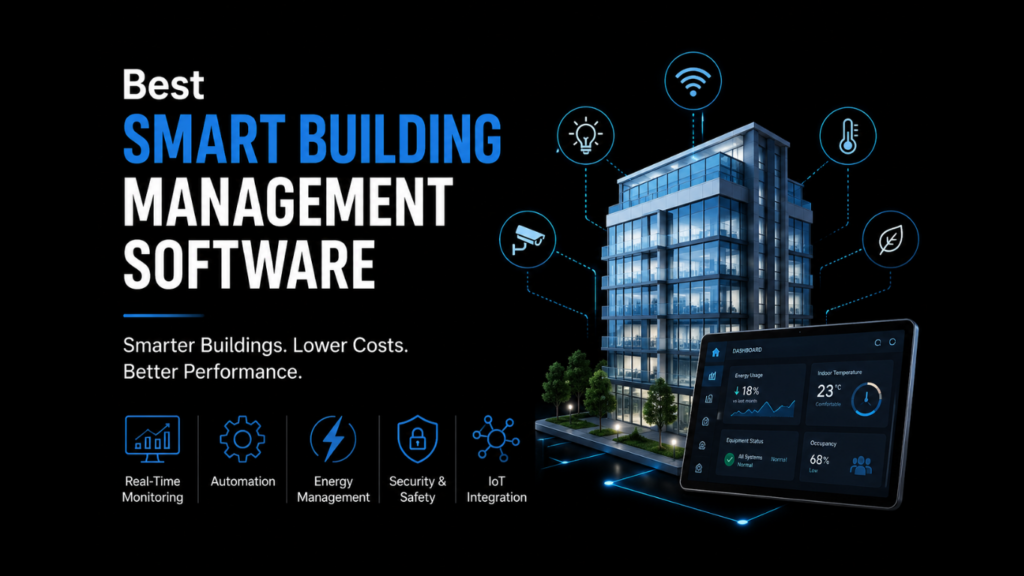
Smart buildings use technology to control different areas automatically, without a human being there all the time. The areas that can be controlled include the lights, heating, cooling, security, and energy consumption. Smart building management software connects all these systems into a single platform.
Building managers, using sensors and Internet of Things (IoT) devices, can track the building system’s functioning in real time. The software collects data and displays it on the central dashboard. Managers gain insight into how the building works from the software, and they can act promptly if any changes are needed.
A large number of organizations rely on these kinds of platforms to handle offices, hotels, hospitals, and huge campuses, etc. In healthcare environments, especially, secure documentation tools like Hippa form builder solutions are often used to safely manage patient-related digital forms and compliance workflows. Smart building software is a great tool for enhancing comfort, reducing energy waste, and lowering building operating costs.
Features That Make Smart Building Software Useful
Smart building management software comprises tools that help buildings operate more efficiently. Systems like these connect devices, collect data, and automate routine tasks. Managers can track performance and improve daily operations.
Energy Management
Energy management lies at the heart of smart building software. These tools are designed to monitor a building’s energy consumption minute by minute.
This software monitors the use of electrical appliances and, in addition, tracks the energy used by lighting, heating, and cooling systems. Facility managers can use this data to identify cases where energy consumption exceeds the normal level.
Real-Time Monitoring
Smart building software gives you real-time visibility into your building systems. Open one dashboard and see what is happening across the property.
Sensors and connected devices send data directly to the platform. You can quickly check key information, including temperature levels, air quality, occupancy, and equipment performance.
If a system fails, the platform sends an alert right away. Your maintenance team can respond fast and fix the issue before it affects building operations.
Automation
Automation reduces the need for manual control in building management. The software lets you manage lighting, heating, cooling, and other systems from one place.
The system also runs automated rules. For example, lights turn off when a room is empty. Air conditioning adjusts based on how many people are in a space.
This keeps the building running smoothly throughout the day while reducing wasted energy.
Data Analytics and Reporting
Smart buildings generate large volumes of operational data. The platform collects and analyzes this data to show how your building performs. The ability to track meaningful performance indicators is essential for understanding whether operational changes actually improve outcomes.
You can review reports on energy use, equipment efficiency, and space usage. These insights help you understand how the building operates. Advanced platforms also benefit from generative AI development to turn raw building data into smarter insights, automated recommendations, and more efficient decision-making.
Many facility and property management teams also use visual reporting tools like Venngage’s AI infographic generator to turn complex building analytics, sustainability metrics, and operational reports into easy-to-understand visual dashboards for stakeholders.
This shift toward AI-driven building data is already being adopted by forward-thinking property managers. Coastline Equity, a third-party property management firm based in Southern California, is among those leading the way — designing and implementing their own in-house AI tools to better serve clients, tenants, and internal teams. Their approach reflects how modern property management firms are going beyond off-the-shelf software to build customized solutions tailored to real operational needs.
With this information, you can better plan maintenance, reduce waste, and improve overall building performance.
Integration with IoT Devices
Most smart building platforms depend on Internet of Things devices like sensors, smart thermostats, and connected lighting systems for their operation.
These devices gather vital information such as temperature, humidity, occupancy, and energy cover data.
Once all devices are linked to the platform, it’s possible to monitor and control the entire building through a single dashboard. Needless to say, this greatly simplifies managing the building daily.
Top Smart Building Management Software
Siemens Building X
Siemens Building X is a cloud platform built for modern building operations. It helps organizations manage energy, building assets, and space from one dashboard.
The platform connects systems such as HVAC, lighting, and fire safety. Managers can track building performance in real time and review operational data.
Because it runs in the cloud, teams can manage buildings from almost any location.
Key features:
- Cloud-based building monitoring
- Energy and asset management tools
- Real-time data analytics
- Remote management for multiple properties
- Integration with IoT devices and sensors
Many property managers use this platform for large and complex buildings.
OpenRemote
OpenRemote is an open-source platform designed for smart buildings and IoT systems.
It allows developers and building managers to connect and control many types of devices. The platform supports communication protocols such as HTTP, Bluetooth, and BACnet.
Because the platform is open source, teams can customize it to meet specific building requirements.
Key features:
- Open-source architecture
- Integration with many IoT devices
- Custom dashboards and automation rules
- Support for multiple communication protocols
- Flexible deployment options
VergeSense
VergeSense focuses on workspace analytics. The platform uses AI sensors to measure how office spaces are used.
It collects data about occupancy and space usage. Managers can see how desks, meeting rooms, and floors are used throughout the day.
This information helps companies improve office layouts and manage building operations more effectively.
Key features:
- Real-time occupancy insights
- Space utilization data
- Central dashboard for building monitoring
- Alerts and performance reports
- API integrations with other tools
Fixflo
Fixflo is a cloud platform designed for property repair and maintenance management.
Tenants can report issues through the system. Property managers can track requests, assign contractors, and monitor repair progress.
The platform helps property teams handle maintenance tasks in a structured way.
Key features:
- Tenant repair reporting tools
- Maintenance scheduling
- Contractor and vendor management
- Compliance tracking
- Repair workflow management
Atrius
Atrius focuses on energy management and sustainability tracking.
The platform helps organizations monitor energy use and measure carbon emissions. Facility teams can track environmental impact and produce sustainability reports.
Many organizations use Atrius to support environmental reporting and energy planning.
Key features:
- Energy monitoring tools
- Cost optimization insights
- Carbon tracking and analytics
- Automated sustainability reporting
- Cloud dashboards and reports
Why Smart Building Management Software Matters
Smart building platforms provide several advantages for property owners and organizations. They help buildings operate more efficiently and in a more controlled way.
Energy Efficiency
Smart building software helps reduce energy use. The system monitors energy consumption and identifies locations of wastage. Besides, it can regulate the lighting and HVAC systems according to schedules or room occupancy.
These adjustments lower energy use and support sustainability goals.
Lower Operating Costs
Automation reduces the need for manual control of building systems. The software can also detect equipment problems early. Maintenance teams can address issues before they lead to major failures.
This approach helps lower repair costs and overall operating expenses.
Better Comfort for Occupants
Smart building systems help maintain comfortable indoor conditions. The platform can adjust temperature, lighting, and air quality based on building use. A stable indoor environment supports employee productivity and improves visitor or guest experience.
Remote Management
Most modern platforms run in the cloud. Building managers can monitor systems from a computer or mobile device.
They can review energy use, adjust settings, and respond to alerts without being on site. . “Some property managers also use virtual tour tools like WPVR to let tenants or clients explore properties remotely before scheduling physical visits.
Improved Safety and Security
Smart building software can link security systems, cameras, fire alarms, and access control devices. Facility managers can oversee safety systems in real time. When problems arise, the system dispatches notifications that enable the team to act swiftly.
Better Maintenance Planning
Smart building platforms collect data from equipment and building systems.
Managers can review system performance and schedule maintenance when needed.
Predictive maintenance tools can warn teams before equipment fails. This helps avoid unexpected downtime.
Data-Driven Decisions
Smart building software provides reports about building performance. Managers can review energy trends, space usage, and equipment efficiency. Many organizations also explore typerform alternatives when building customized tenant feedback forms, facility surveys, and smart building data collection workflows. Some facility teams even develop web apps without code to create internal dashboards, tenant portals, and maintenance request systems tailored to their specific building operations — without waiting on developer resources.
These insights help organizations make informed decisions about building operations and upgrades.
Read More: Why Software Engineers Need Visual Collaboration Suites
Conclusion
Smart building management software is a key factor in today’s modern facilities. It links together building systems and automates simple tasks. Managers can monitor performance, control equipment, and improve efficiency.
We have discussed platforms such as Siemens Building X, OpenRemote, VergeSense, Fixflo, and Atrius.
With the ongoing development of smart buildings, it is expected that more companies will adopt smart management systems.
Frequently Asked Questions
What is smart building management software?
Smart building management software is a platform that enables users to monitor and control various building systems, such as lighting, HVAC, security, and energy usage from a single interface.
What are the main benefits of smart building management software?
It helps reduce energy use, improve building comfort, automate system control, and support better maintenance planning.
Can smart building software work with existing building systems?
Yes. Many platforms support common protocols and IoT devices, which allows them to connect with existing building systems and sensors.